1. What is a power reclining sofa and how does it work? 
A power reclining sofa uses one or more electric motors to move the backrest, footrest, and in many models the headrest too, all at the press of a button built into the armrest or a side panel. You plug the sofa into a standard wall outlet, press the control, and the mechanism adjusts slowly and smoothly to any position between fully upright and fully reclined, typically a range of 90 to 145 degrees depending on the model.Unlike a manual recliner that locks into a handful of fixed positions, a power recliner lets you stop at any angle in between, which makes a real difference when you want to read, watch TV, or nap at slightly different recline depths. The motor does all the mechanical work, so there is no need to push with your legs or pull a lever to open or close the footrest.
2. What is the difference between a power reclining sofa and a manual recliner?
A manual recliner uses a lever or push-back to release the footrest and locks into a few fixed angles. A power reclining sofa uses a motor to move quietly to any position in between, with extras like USB charging ports, adjustable headrests, and power lumbar support that manual versions cannot offer. Manual wins on price and simplicity; power wins on precision and convenience.See our
power vs. manual reclining sofa guide for the full comparison.
3. What features should I look for in a power reclining sofa?
Prioritize a smooth, quiet motor with independent backrest and footrest control, a power headrest for neck support, and USB or USB-C charging built into the armrest.
For the frame and cushioning, look for hardwood or steel reinforcement rated to at least 300 lbs per seat and high-density foam.
Povison's power reclining lineup covers all of these, with models that add waterproof performance fabric, dropdown consoles, cup holders, and pull-out storage depending on the configuration.
4. What is a dual power reclining sofa?
A dual power reclining sofa has two separate motors: one controls the headrest and another controls the backrest and footrest independently. This means you can raise just your head to watch TV while your feet stay flat, or fully recline your legs while keeping your upper body slightly upright for reading. Our
Marlowe Dual Power Reclining Sofa is one of the best sellers at Povison.
For couples or households where two people share the sofa with different comfort needs, dual motor control keeps the peace: one person can sit almost upright for a work call while the other stretches into a near zero-gravity position.
Povison's dual power sofa lineup uses this independent motor architecture, with a 90 to 145 degree recline range and smooth, quiet actuation on both the headrest and the footrest. For more on how to dial in the right position, see our
dual power reclining sofa guide.
5. How much space does a power reclining sofa need from the wall?
A standard power reclining sofa typically needs 10 to 12 inches of clearance between the back of the sofa and the wall to fully recline without the footrest hitting furniture in front or the backrest making contact with the wall. That clearance requirement catches a lot of buyers off guard when they measure only the sofa's footprint in the upright position.
If your room is tight, look specifically for a wall-hugger reclining sofa. These are engineered so the seat base slides forward as the back reclines, which means the rear of the sofa barely moves at all. Many wall-hugger models need only 3 to 4 inches of clearance, making them practical for apartments, built-in media rooms, or anywhere the layout leaves limited depth behind the sofa.
Always check the fully reclined length in the product specs too, since most power sofas extend 20 to 30 inches further forward when flat than they appear in the upright product photos.
6. Is a power reclining sofa good for back pain?
For many people, yes. The ability to recline at a precise angle shifts weight off the lumbar spine and distributes it more evenly across the backrest, reducing the compression that upright seating builds up over time.
Research on seated posture generally supports a reclined position between 100 and 135 degrees as easier on the lower back than sitting fully upright at 90 degrees, which is why power recliners are often recommended for people recovering from back surgery or managing chronic back discomfort.
The key is real lumbar support in the cushion, not just soft padding. Look for contoured foam that follows the natural curve of the spine, and use the footrest to shift pressure off your knees and hips at the same time.
A power headrest lets you fine-tune neck support without straining to reach a pillow. Povison's power recliners are designed with ergonomic lumbar positioning in mind. If you want to understand which features matter most for back health specifically, our
reclining sofa buying guide covers it in detail.
7. What fabric or upholstery is best for a power reclining sofa?
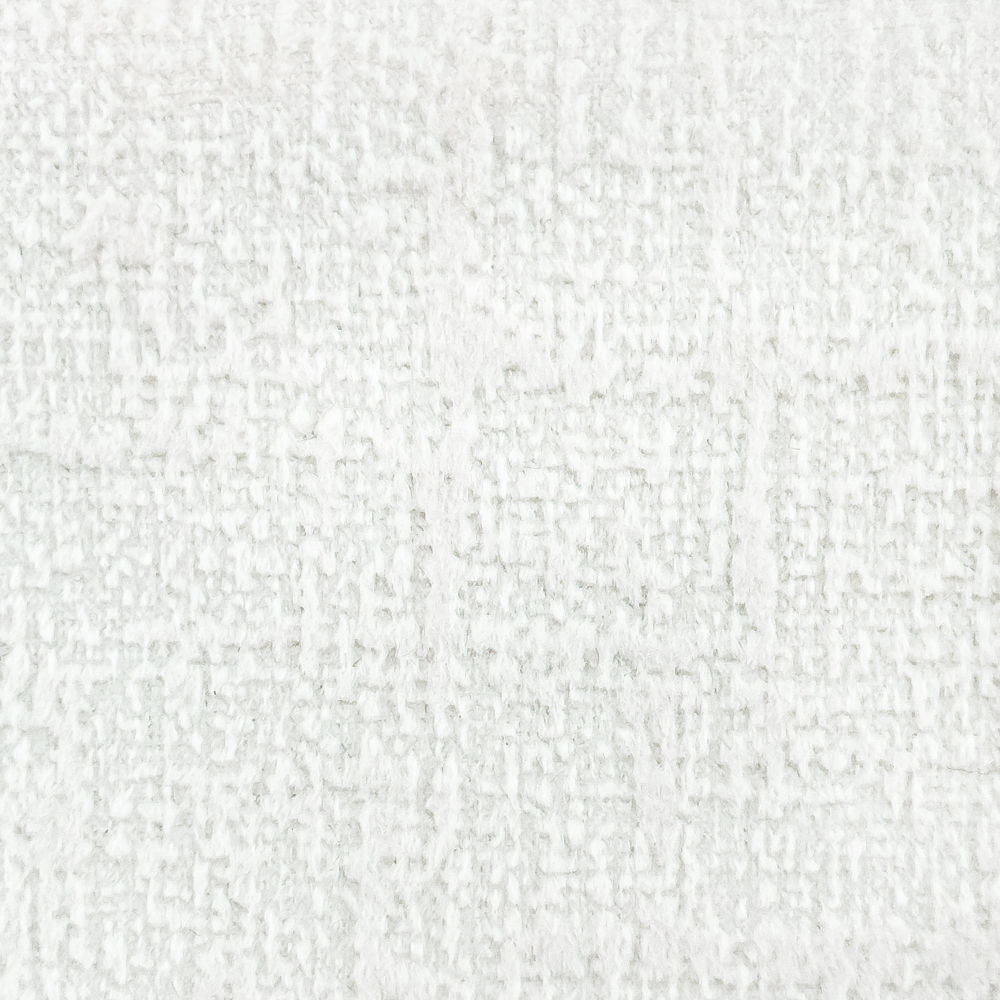
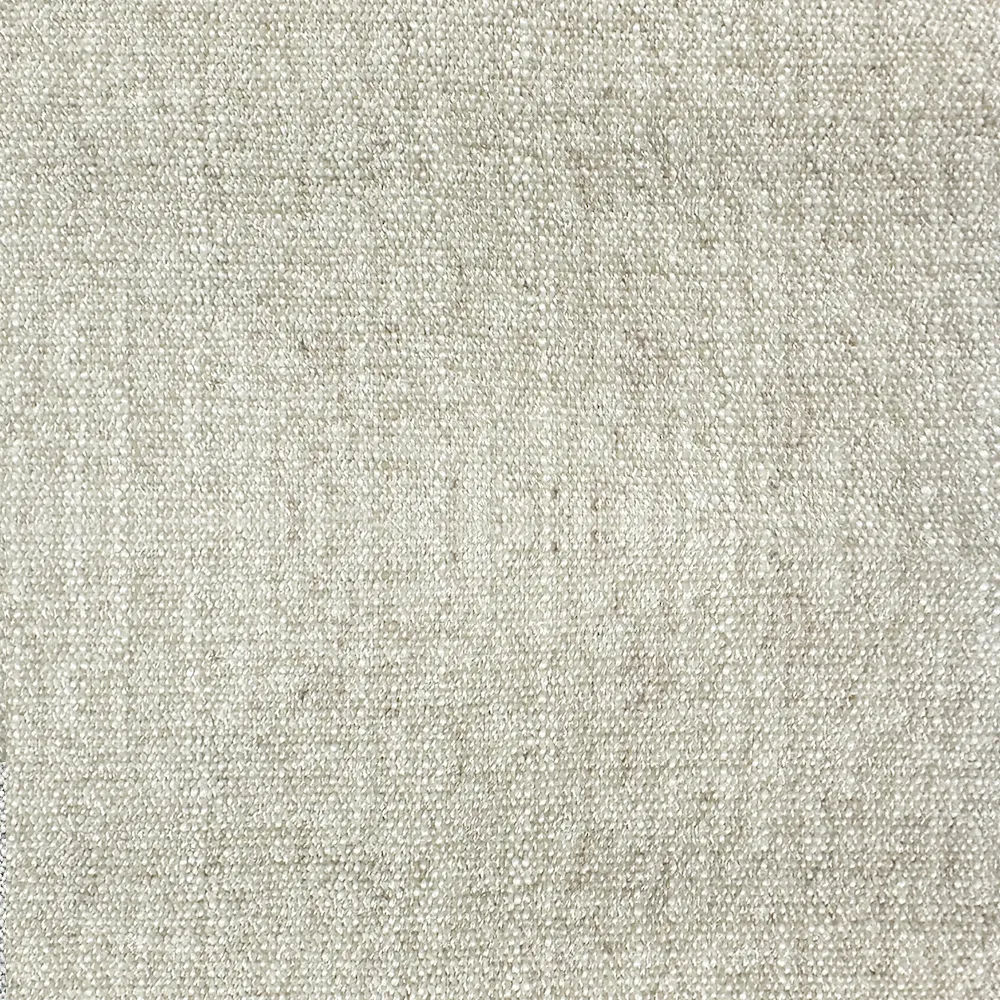
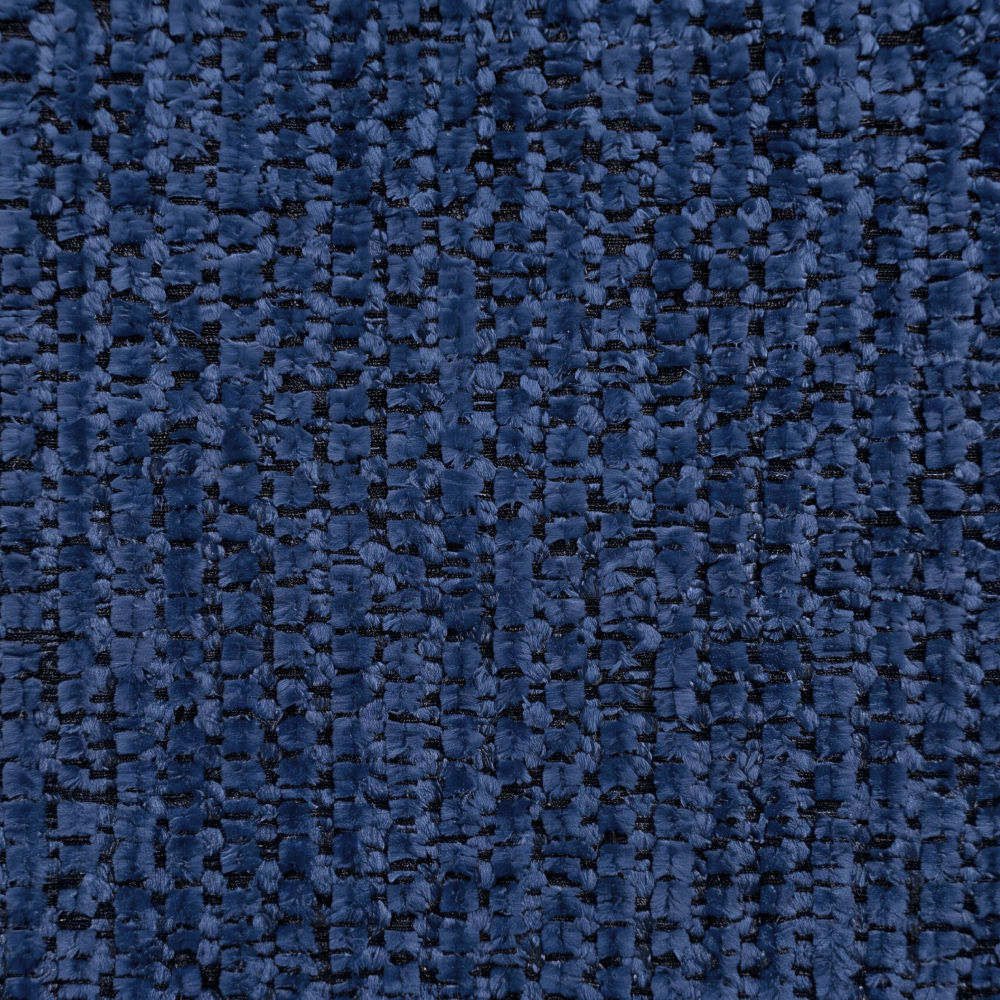
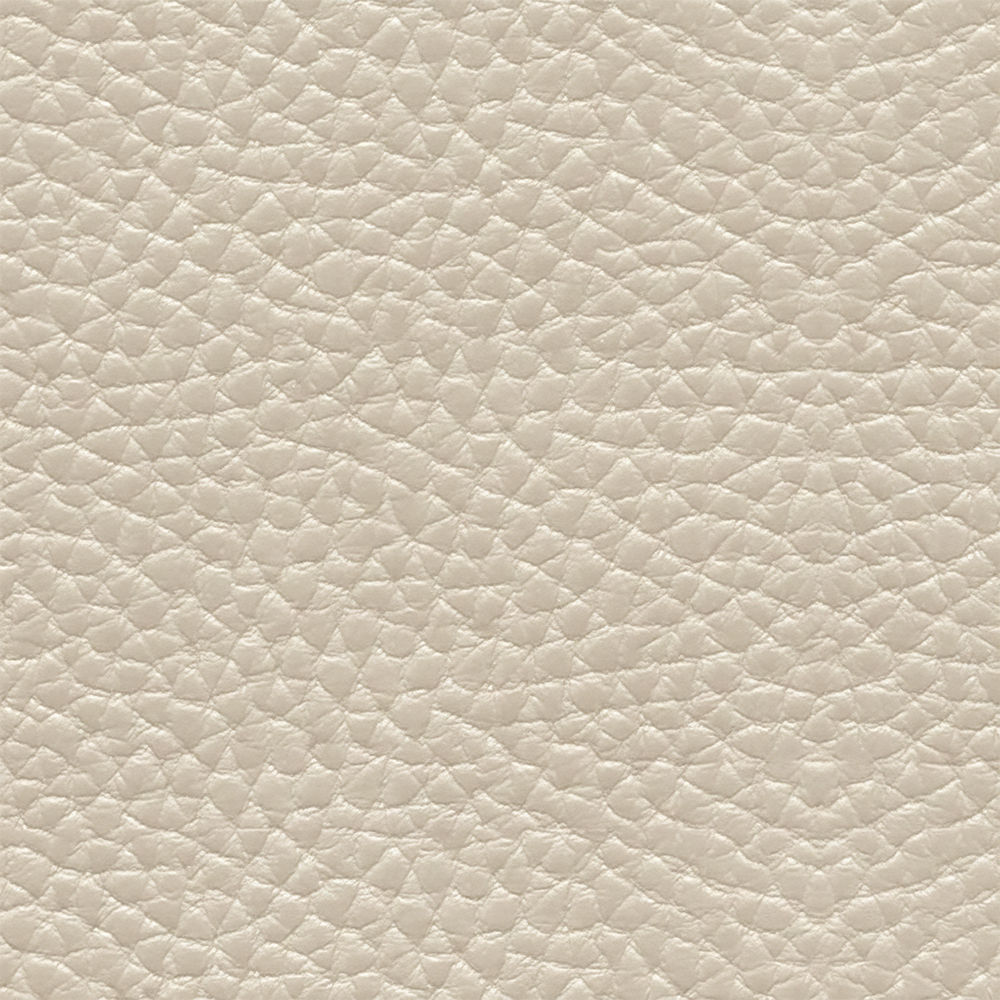
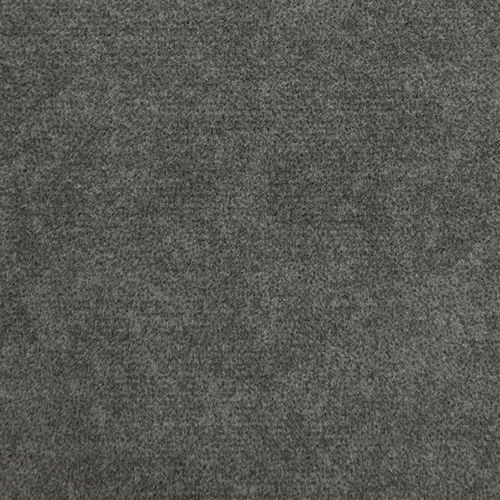
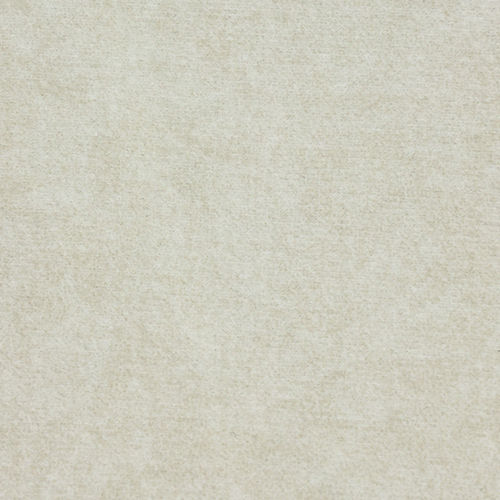
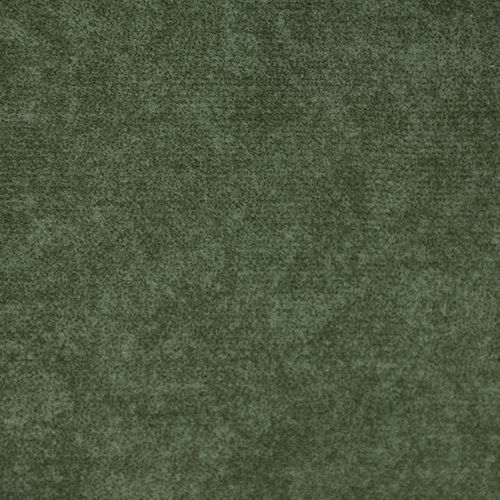
The mechanism on a power recliner flexes and folds the upholstery every time you use it, so fabric durability matters more here than on a standard fixed sofa. Performance microfiber and performance chenille hold up well to repeated flexing without cracking or pilling, and both clean easily with a damp cloth.
For households with pets or children, look for upholstery that is water-resistant or stain-repellent at the fiber level rather than just surface-treated, since the fabric around the reclining seams takes more stress than the flat sections.
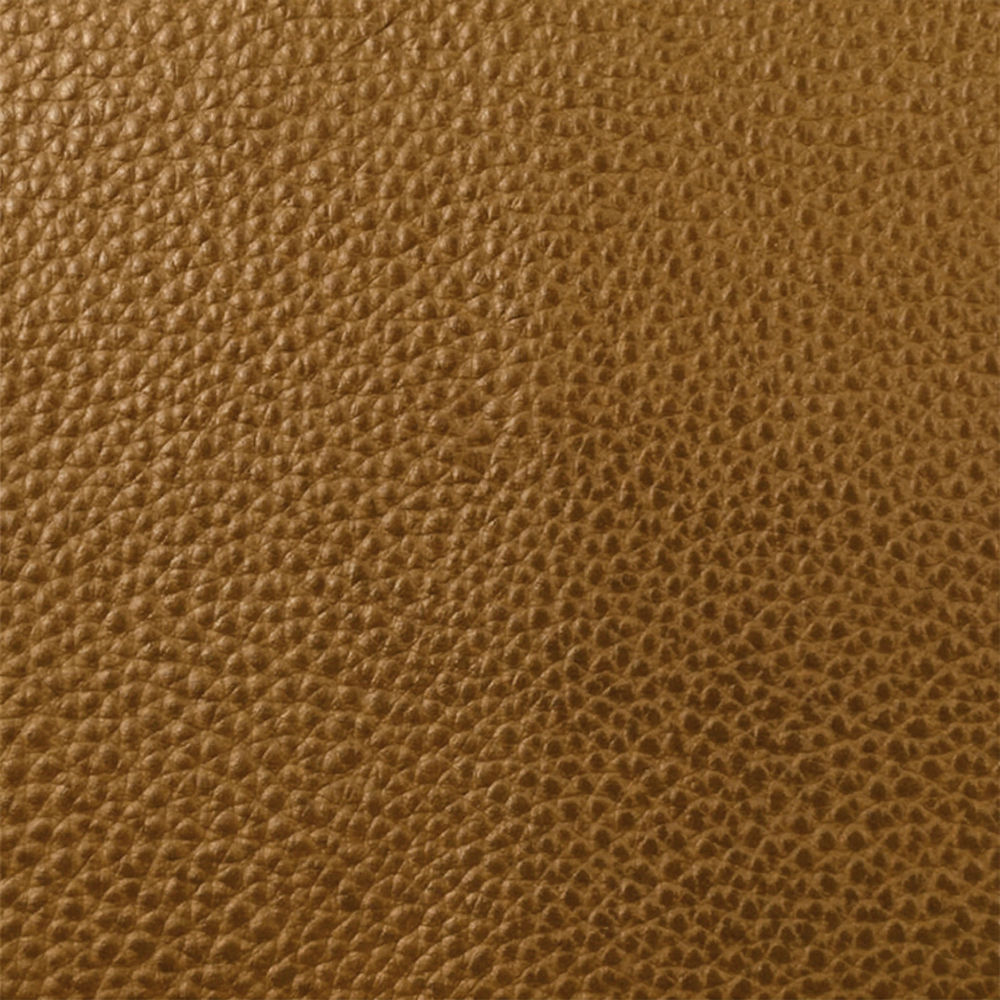
Top-grain leather and faux leather are durable and wipe clean quickly, but genuine leather requires conditioning every six to twelve months to prevent cracking at the fold lines where the recliner bends. Bonded leather is the least durable choice for a recliner specifically, as it tends to peel at crease points within a couple of years of daily use. If you run hot, breathable fabric will feel more comfortable during long reclined sessions than leather, which retains warmth.
8. Can a power reclining sofa work as a home theater sofa?
For a more flexible home theater setup, Povison’s
Aurora Power Sofa Bed and
Cygnus Power Sofa are strong choices. Instead of using a fixed reclining position, both sofas let you adjust the seat depth to match how you want to sit, lounge, or fully stretch out.The cushions feel soft but supportive, so you can stay comfortable through a long movie without sinking too much or losing back support. When fully extended, the sofa creates a sofa-bed-like surface, making it especially practical for family movie nights, casual sleepovers, or friends gathering together in the media room.
9. How do I maintain and care for a power reclining sofa?
For fabric, a damp cloth and mild soap handles everyday cleaning, and a wet vacuum works better than scrubbing for deeper stains. Genuine leather needs conditioning every six months to prevent cracking at the flex points.For the mechanism, keep the seat gap clear of debris that can jam the motor, and plug directly into a wall outlet rather than a power strip. If the motor sounds sluggish or unusual, most models have swappable motor units that do not require full frame disassembly to replace.
10. What is the best power reclining sofa for small living rooms or apartments?
A power reclining loveseat at 78 to 88 inches wide is the most practical format for smaller rooms. Two people get full reclining control without the sofa dominating the space, and the width typically fits through standard doorways without disassembly.Pair that with a wall-hugger mechanism and a built-in USB-C port to eliminate the need for a side table. Povison's
Benjamin power reclining loveseat with deep seat and USB-C charging reclines to 135 degrees and ships fully assembled.
11. What power reclining sofa styles are trending in 2025 and 2026?
The dominant shift is away from bulky, pillow-top silhouettes toward slim track arms, low profiles, and neutral tones like warm cream, greige, and slate that read as contemporary sofas when upright.
Dual motor control and independent power headrests have moved from premium extras to near-standard expectations in the mid-range.
Performance chenille and waterproof fabric are replacing plain polyester as the default upholstery. Povison's
Elara dual power reclining loveseat reflect all of this: French-inspired profiles in performance chenille with zero-gravity recline.


 All Filters